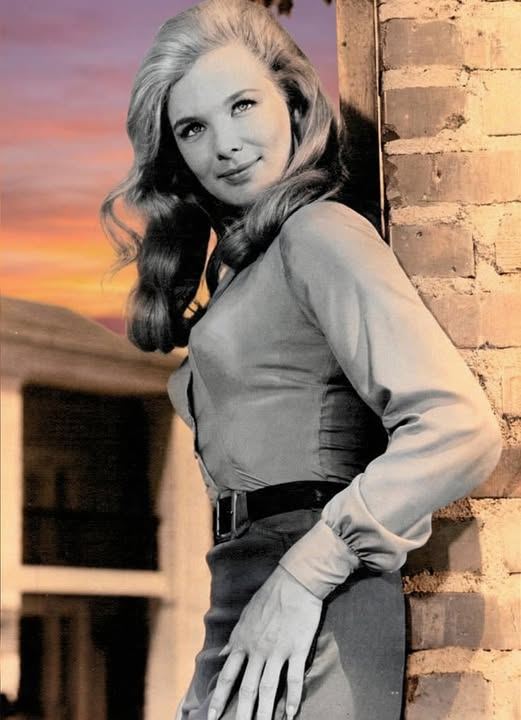
Linda Evans, born Linda Evenstad on November 18, 1942, in Hartford, Connecticut, emerged as one of the defining television actresses of the late 20th century.
Growing up in a Norwegian-American household, Evans’ upbringing was steeped in both cultural tradition and the understated Midwestern values of hard work and resilience.
Her parents, attentive and encouraging, recognized her early inclination toward performance and creativity, nurturing her interest in theater and storytelling. Evans’ Norwegian heritage played a subtle role in shaping her discipline and poise, qualities that would later become hallmarks of her on-screen presence.
During her adolescence, the family relocated to North Hollywood, California, a move that positioned Evans closer to the epicenter of the American entertainment industry.
The transition from the quiet streets of Hartford to the bustling avenues of Los Angeles was transformative, exposing her to a wide range of artistic influences.
She enrolled in local drama classes, where teachers noted her natural ability to convey emotion and embody complex characters despite her young age.
By the time she reached her late teens, Evans had developed a strong foundation in acting techniques, balancing formal training with the practical experience of community theater and school productions.
Evans’ professional career began in earnest in the early 1960s. Her first appearances were guest roles on various television series, where she honed her craft while learning the rhythms of on-set production.
Early credits included small parts in programs such as Bonanza, Wagon Train, and The Big Valley, where she gradually gained recognition for her consistent performances.
It was in The Big Valley (1965–1969) that Evans’ talent was fully showcased. Playing Audra Barkley, the youngest daughter of the Barkley family, she brought a blend of vulnerability and strength to the role that resonated with audiences.
Working alongside industry veterans such as Barbara Stanwyck, Evans quickly learned the nuances of professional television acting.
Colleagues from the show have often praised her dedication, noting that she approached every scene with meticulous preparation and a willingness to collaborate, a trait that would define her reputation in Hollywood.
Audra Barkley was more than a role; it was a formative experience that solidified Evans’ place in the television landscape. Her performance demonstrated not only emotional depth but also an ability to adapt to the complex narratives typical of 1960s prime-time dramas.
The show’s success opened doors for additional television work, including guest appearances and supporting roles in other series. By the late 1960s, Evans had established herself as a dependable actress, capable of handling both dramatic and lighter material with ease.
The 1970s represented a period of exploration and diversification in Evans’ career. She appeared in a range of television films and miniseries, further showcasing her versatility.
While these projects were not as high-profile as The Big Valley, they allowed her to experiment with character development and genre, from suspense to romance. Evans also began to cultivate a public persona that balanced professionalism with approachability.
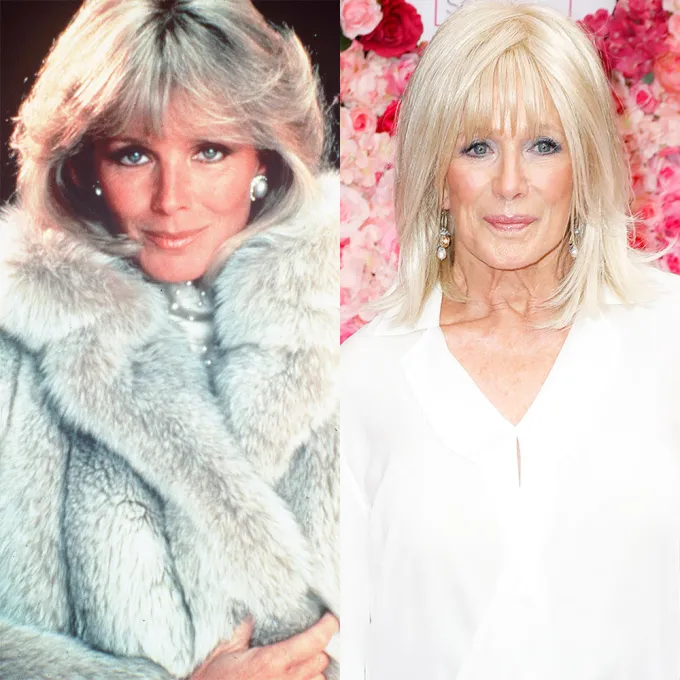
She engaged in interviews and magazine features, emphasizing her focus on acting as a craft rather than celebrity. During this time, Evans’ commitment to health, discipline, and personal growth became apparent, influencing her long-term approach to career and public life.
Her breakthrough moment arrived in 1981 when she was cast as Krystle Carrington in Dynasty, a prime-time soap opera produced by Aaron Spelling.
Dynasty represented a seismic shift in American television, merging melodrama, glamour, and intricate family politics into a form that captivated millions of viewers.
Evans’ colleagues often noted her professionalism, her preparation for scenes, and her ability to convey emotion with subtlety—a skill that distinguished her performances in both intimate moments and high-drama sequences.
Off-screen, Evans’ life during the height of Dynasty was characterized by careful management of her personal and professional spheres. While the series demanded intense time and energy, she prioritized maintaining a sense of privacy and grounding herself outside Hollywood’s glare.
The discipline she cultivated from her early years and her family background enabled her to navigate fame without succumbing to its more destructive pressures.
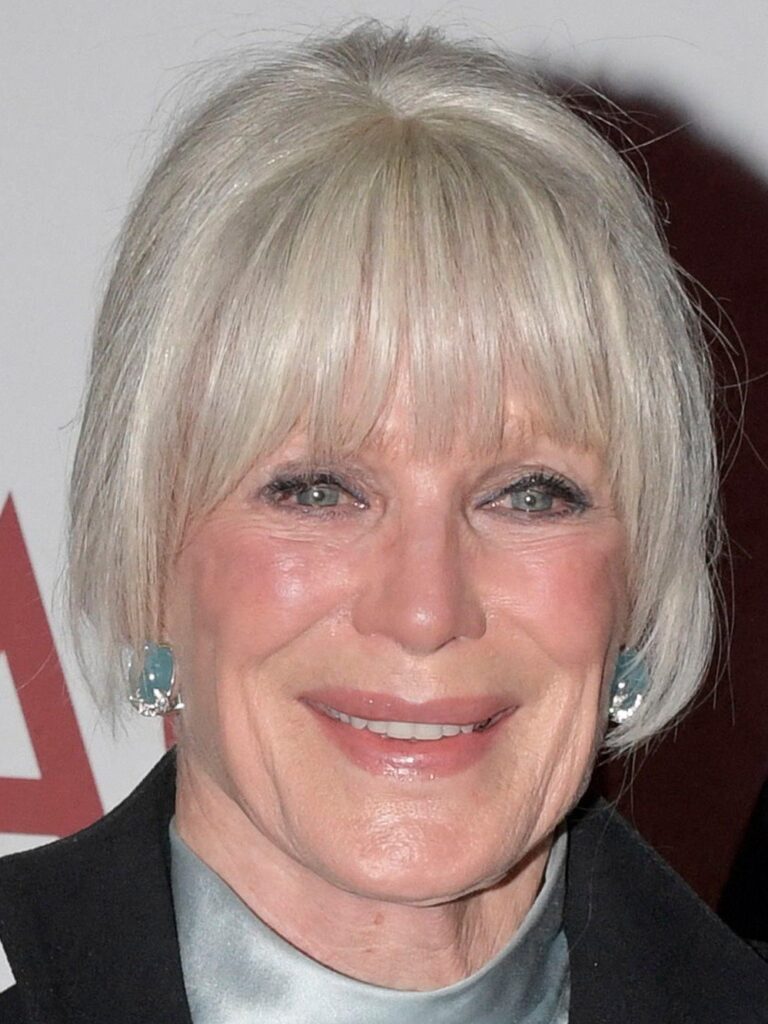
Despite the worldwide attention her role brought, Evans remained measured in interviews, often discussing her craft rather than personal life, which contributed to her reputation as both relatable and dignified.
Her work on Dynasty also coincided with a broader evolution in television storytelling, where prime-time soap operas became a dominant form of entertainment.
About the Author