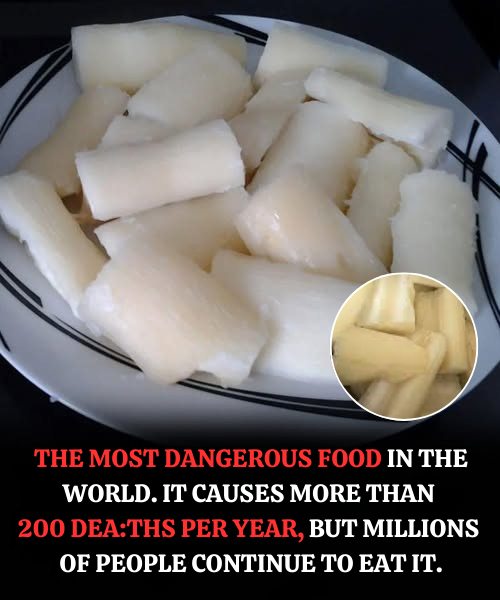
Cassava is a staple food from Brazil to Vietnam, yet many people are unaware that improper preparation can allow the root to release cyanide. When handled incorrectly, certain cassava varieties have caused poisoning outbreaks and even triggered konzo, a severe neurological condition. The reassuring part is that with simple, traditional preparation methods, the risk disappears completely.
Why Cassava Can Be Dangerous
The main concern lies in the “bitter” varieties of cassava, which contain high levels of cyanogenic glycosides. When the root is bitten, grated, or otherwise damaged, enzymes convert these compounds into cyanide, the same toxin known from poisons in literature and history. Without sufficient soaking, fermenting, or boiling, the cyanide remains in the food.
Why Poisoning Still Happens
Most cases are linked to hardship rather than everyday cooking. Situations that increase the risk include:
- Limited fuel or water for proper boiling.
- Emergency harvests during famine, where roots are eaten quickly.
- Loss of knowledge of traditional preparation techniques.
Konzo occurs mainly in parts of Africa where diets are extremely low in protein and cassava is consumed daily. Repeated exposure to poorly processed cassava allows cyanide to accumulate, damaging the nervous system. The result is sudden, irreversible weakness in the legs, often affecting children and women of reproductive age.
How to Prepare Cassava Safely

- Peel thoroughly
Most of the toxins are concentrated in the peel. Remove it completely. - Soak or ferment the root
Grated or peeled cassava should be covered with clean water for 24 to 48 hours. Traditional methods such as Brazil’s farinha d’água rely on this step to reduce cyanide safely. - Cook until fully tender
Boiling for at least 20 minutes breaks down cyanogenic compounds. Cassava must never be consumed raw. - Pair with protein
The body eliminates cyanide more effectively when amino acids are available. Eating cassava with fish, eggs, or legumes helps with detoxification.
When Cassava Becomes a Threat
Severe poisoning is rare and usually occurs under extreme conditions such as drought, war, or prolonged poverty. In regions where culinary traditions remain strong, proper preparation prevents problems. Even so, reinforcing safe techniques in public health programs remains essential.
A Nutritious, Versatile Staple
When prepared correctly, cassava is entirely safe. It is rich in complex carbohydrates, naturally gluten-free, and contains soluble fiber. It can be transformed into soft cakes, wheat-free breads, and classic fried cassava. The root’s affordability and high energy content make it an important food across many cultures.
Conclusion
Cassava itself is not the problem; the danger lies in improper processing. By peeling, soaking or fermenting, boiling thoroughly, and pairing it with protein, you convert a potentially hazardous ingredient into a safe, versatile, and nutritious food. The combination of traditional knowledge and modern understanding continues to protect both the dish and the people who rely on it.
About the Author